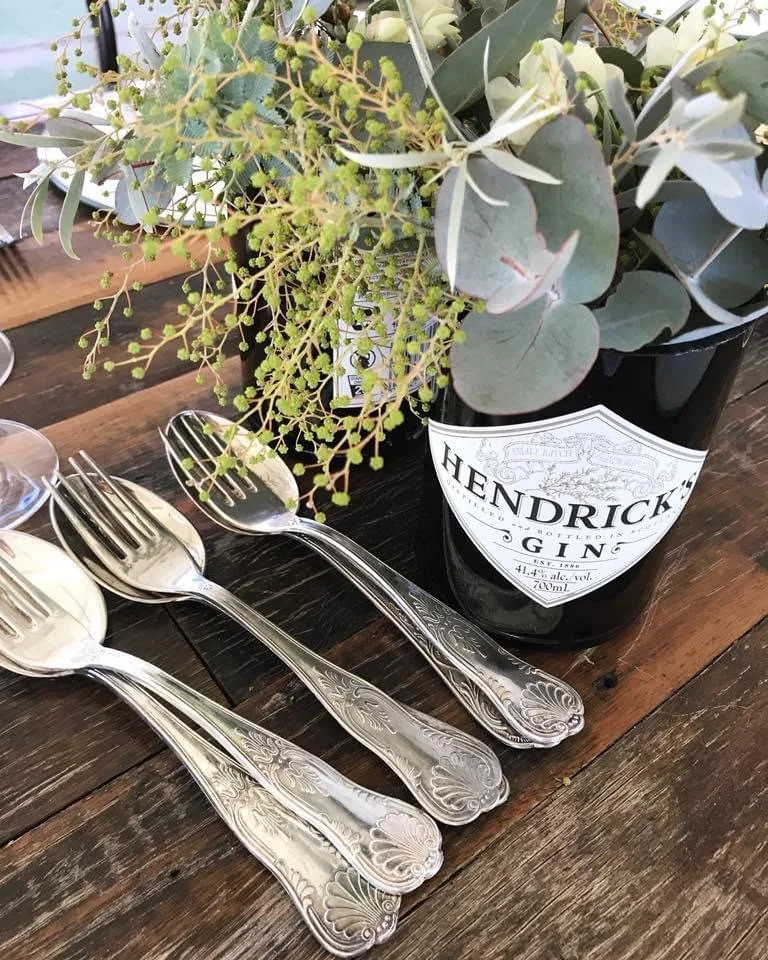
There's a lot of attention given to how an event looks. The flowers, the styling, the food, the entertainment and, increasingly, how everything photographs.
But some of the things that make an event truly successful have absolutely nothing to do with appearances.
They come down to good manners, common sense and a little consideration.
Event etiquette isn't about knowing which fork to use or following a long list of outdated rules. It's about understanding that your decisions as a host affect everyone attending, working at or contributing to your event.
And whether you're planning a wedding, corporate function, fundraiser or community celebration, these details matter.
1. An invitation should actually tell people what they need to know
Your guests shouldn't have to chase you for basic information.
Be clear about arrival times, dress codes, parking, transport, accessibility and dietary requirements. If it's an outdoor event, let people know. If they'll be walking across a paddock, perhaps stilettos aren't the best footwear.
For weddings, be clear about whether children and partners are invited. Don't leave guests guessing or putting you in the awkward position of having to explain later.
And if you're requesting RSVPs by a particular date, give people a reasonable amount of time to respond.
Good communication is one of the simplest forms of good hospitality.
2. Respect people's time
This is a big one.
If you've invited 150 people to arrive at 6pm, have something ready for them at 6pm.
That doesn't mean the formal proceedings need to begin immediately, but guests shouldn't be left standing around indefinitely without refreshments, somewhere comfortable to wait or any idea what's happening.
The same applies to speeches, presentations and formalities.
Five speeches might sound perfectly reasonable during planning. Five speeches running fifteen minutes each is an entirely different experience for the people listening.
A good run sheet isn't just an operational document. It's one of the best tools you have for looking after your guests.
3. Think about the guest experience, not just the aesthetics
A spectacular location is wonderful. A spectacular location with no shade, inadequate toilets and a 400-metre walk from the car park is less wonderful.
Consider seating, weather protection, accessibility, catering, temperature and noise levels.
If you're organising a country wedding, think about transport and accommodation. For a community festival, consider families, older visitors and people with different mobility needs.
If children are attending, make sure the event is appropriate for them rather than simply assuming they'll cope.
And remember that not everyone drinks alcohol. A genuinely good selection of non-alcoholic drinks should be part of the planning, not an afterthought.
Your guests may never notice all the work that went into making them comfortable. That's rather the point.
4. Be thoughtful with seating plans
Seating arrangements can require more diplomacy than international negotiations.
At weddings, think about relationships, family dynamics, guests attending alone and whether people will genuinely enjoy sitting together.
Don't assume that every single guest wants to be placed at a table of other single guests. Equally, don't separate partners simply to make the numbers work.
For corporate functions, consider whether your seating encourages useful conversation and makes newcomers feel welcome.
The goal isn't to create a visually perfect seating chart. It's to create an enjoyable experience for the people sitting at those tables.
5. Your suppliers deserve courtesy too
This is something I feel particularly strongly about.
The caterers, photographers, technicians, cleaners, florists, venue staff and production crew are professionals, not invisible helpers.
Give them proper briefs, accurate information and reasonable working conditions.
That includes realistic setup and pack-down schedules, access to facilities, appropriate breaks and clear communication when plans change.
Don't expect someone to absorb hours of extra work because a decision was made at the last minute.
And if you want an experienced supplier to deliver excellent work, let them do the job you've engaged them to do.
A respectful working environment nearly always produces a better event.
6. Speeches should be entertaining, appropriate and brief
A good speech can be one of the most memorable parts of an event.
A bad one can feel endless.
For weddings, avoid stories that embarrass the couple, reveal private information or leave half the room wondering what the joke was about.
At corporate events, remember that guests haven't necessarily come to hear an extended history of the organisation.
Give speakers a time limit and communicate it beforehand.
And please, test the microphone.
7. Don't make your guests solve your problems
Something will go wrong. It happens.
A supplier will run late, the weather will change, the seating plan will need adjusting or someone will have forgotten an important detail.
The answer isn't to panic publicly or involve every guest in the problem.
Have a contingency plan. Establish who's responsible for decisions. Make sure your suppliers know who to contact.
A calm response behind the scenes can prevent a small inconvenience from becoming the defining memory of an otherwise wonderful event.
This is also why asking a close friend or family member to manage an entire wedding day isn't always the favour it appears to be. They deserve to enjoy the celebration too.
8. Guests have responsibilities as well
Good etiquette isn't entirely the host's responsibility.
If you've accepted an invitation, turn up on time. If you can no longer attend, let your host know as early as possible.
Respect dietary arrangements, seating plans, venue rules and the work that has gone into organising the event.
Don't bring uninvited guests, make unreasonable last-minute demands or assume that every element of the event can be changed to suit you.
And put your phone away occasionally. Not every moment needs to be filmed, photographed or shared.
9. Never underestimate a thank-you
Thank your guests for attending.
Acknowledge volunteers, donors and sponsors at community events. Recognise the suppliers and people who helped bring everything together.
If someone has gone above and beyond, tell them.
A thoughtful follow-up, a personal note or a genuine acknowledgement costs very little and can mean a great deal.
The best events make people feel considered
A successful event isn't necessarily the most expensive, the grandest or the one with the biggest floral installation.
It's the one where guests feel welcomed, the timing works, the suppliers are respected and the host has the opportunity to enjoy what they've created.
That's what thoughtful event planning achieves.
Good etiquette isn't about formality. It's about consideration, preparation and respect.
And those things never go out of style.
Planning your own event?
Olivia Morgan Production & Management offers personalised online planning workshops for weddings, small businesses, sporting clubs, fundraisers and community organisations.
From budgets and suppliers to run sheets, etiquette, logistics and contingency planning, we'll work through the practical details of your event together.
Workshops are now available to book online, Australia-wide.